
CHEMICAL PEELS
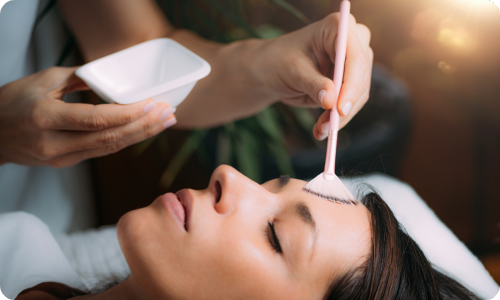
Chemical peels are a powerful way to refresh and renew the skin by gently removing the outermost layer of dull, damaged cells. This process encourages healthy cell turnover, improves skin texture, and helps reduce the appearance of fine lines, discoloration, and breakouts. With options customized to your skin type and goals, chemical peels can leave your complexion smoother, brighter, and more radiant.
Treatment Options
Common Treatment Areas
- Face (to treat fine lines, acne, and pigmentation)
- Neck (to improve skin texture and firmness)
- Décolletage (to reduce sun damage and discoloration)
- Hands (to smooth and brighten the skin)
- Face (to treat fine lines, acne, and pigmentation)
- Neck (to improve skin texture and firmness)
- Décolletage (to reduce sun damage and discoloration)
- Hands (to smooth and brighten the skin)
Frequently Asked Questions
A chemical peel uses a solution of acids, such as glycolic, salicylic, or lactic acid, to exfoliate the top layers of the skin. This process stimulates cell turnover and promotes collagen production, revealing fresher, smoother skin while improving tone and texture.
Chemical peels are effective for treating a range of concerns, including fine lines, wrinkles, acne, acne scars, hyperpigmentation, melasma, enlarged pores, and dull or uneven skin tone.
When performed by a trained professional, chemical peels are safe for most skin types. Mild redness, flaking, and peeling are common side effects that typically resolve within a few days. Deeper peels may require more recovery time and post-care guidance.
You can see noticeable improvements after one treatment, but a series of 3–6 peels, spaced 4–6 weeks apart, is often recommended for optimal results. Your provider will customize the treatment plan based on your skin concerns and goals.